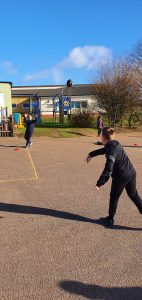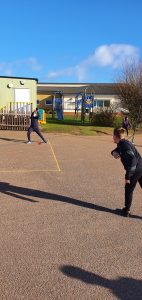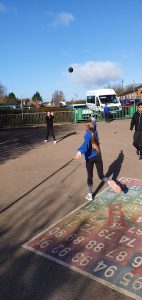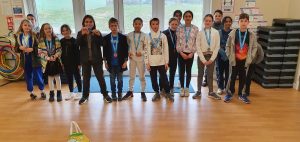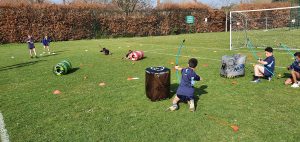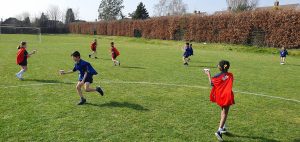
As half term approaches we look back at the learning and skills we have developed.
(Questions written for parents/carers to ask their children)
KS1
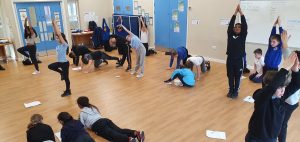
Dance – Pupils focused on telling a story with our body. Pupils learnt about moving to a beat and staying in time with the music. Some fantastic performances were put together, with pupils showing creative and imaginative thinking.
Q – What is the magic number in dance? A – 8 (we put our moves into sections of 8)
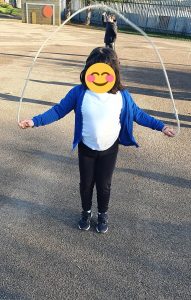
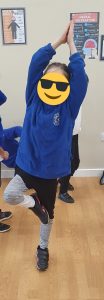
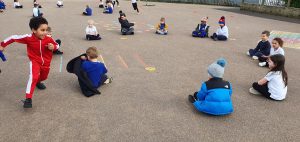
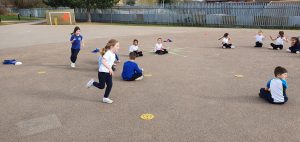
Mighty Movers – Agility, turning, balance are just a few of the key words we used in our mighty movers topic. We learnt about ways of keeping control of our body when turning and twisting at speed. Pupils were able to put these skills into game situations and now understand the importance of balance when travelling. We also looked at movement circuits with a variety of movement skills on each station.
Q – What helps us to keep our balance when moving? A – Arms out, look the way you are turning.
Year 3
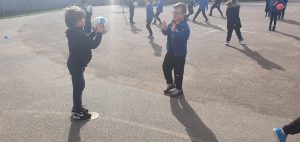
Invasion skills – Pupils developed a variety of ways to keep possession and the importance of possession. Great progress was made in dribbling skills, looking at how we can turn effectively and how we can link passing and dribbling together to help us keep possession.
Q – What tips can you give to dribble correctly? A – Small touches to stay in control, head up.
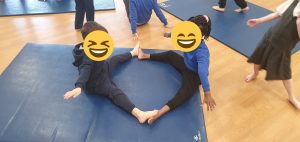
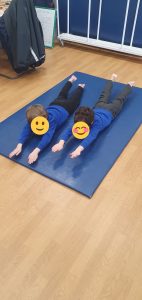
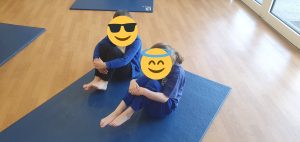
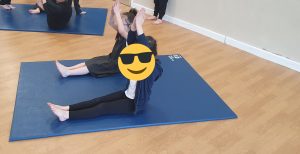
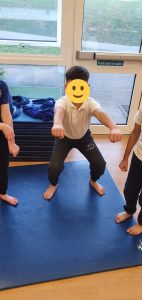
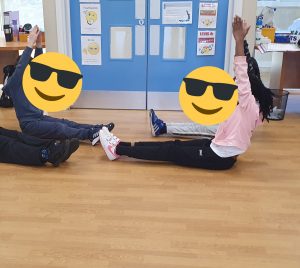
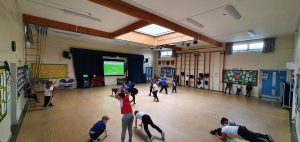
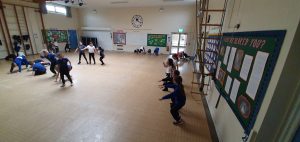
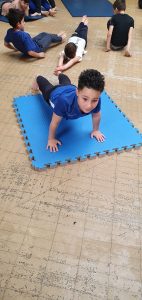
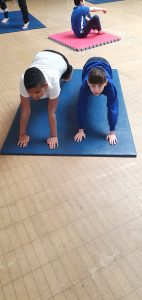
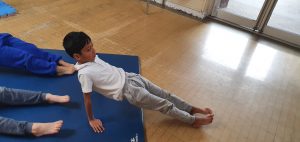
Cool Core – Pupils discovered the benefits of having a strong core. We learnt about the importance of our core and how a strong core leads to a strong body. All children practiced a variety of core exercises and linked them to make a routine, working on control throughout.
Q – Where is your core?
Year 4
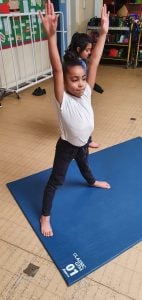
Gymnastics – Amazing progress was made in our gymnastic topics, developing our gymnastic actions into sequences and how we link our actions together with rolls, twists, turns etc. Pupils then progressed onto adapting their sequences to include apparatus and ensuring we have extension in our body throughout.
Q – What is extension in gymnastics? A – Pointy fingers / toes, straight lines within the body.
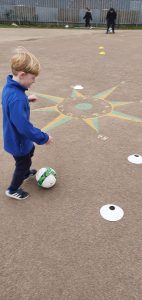
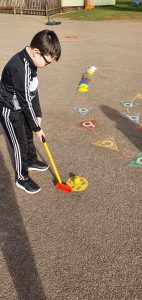
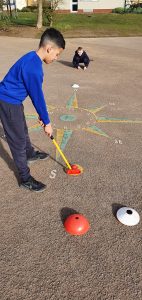
Striking skills – We used golf a vehicle to look at how we strike a ball in several sports and the shape our body needs to be in when striking a ball. We looked at how to strike a ball low and how to strike it high and what changes within our technique and what doesn’t. We disscussed how our body stance was really important and having our feet and head still when striking a ball.
Q – What is the triangle base? A – foot, foot, ball (should make a triangle shape before striking).
Year 5
Gymnastics – Gymnastics – Amazing progress was made in our gymnastic topics, developing our gymnastic actions into sequences and how we link our actions together with rolls, twists, turns etc. Pupils then progressed onto adapting their sequences to include symmetrical and asymmetrical shapes within the routine and how we can add contrast with canon, unison actions, as well as different speeds and levels.
Q – What is the difference between symmetrical / asymmetrical shapes?
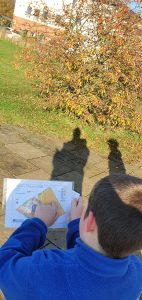
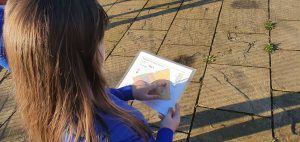
OAA – Pupils loved using their orienteering skills to navigate a variety of maps and showed great knowledge to develop their own courses and were also able to create teaching points of how to read a map successfully. Problem solving skills and team work were also challenged in this topic and all pupils thrived with these challenges.
Q – What tips can you give to read a map correctly?
Year 6
Tactical thinking – We used American football to develop our tactical thinking on how to beat or stop an opponent. Pupils refined the way they and their team attacked or defended against an opponent. Pupils devised plans on what runs, passes, dribbles each team member could make to maximise their chances of keeping possession and scoring. There was was also tactical thinking about defending, whether to mark the player or the space and which would work in each situation.
Q – Why is creating tactics so important?
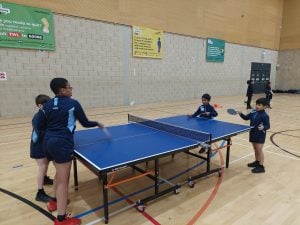
Badminton – Great work from our year 6 pupils who’s knowledge and understanding of net / wall sports has progressed really well. Pupils looked at a variety of serving actions and what are the benefits and weaknesses of each. The ready position in badminton and why this stance gives us the best chance to return were taught and pupils used all their skills combined to put together rallies.
Q – What is the ready position?